From June 3rd-7th, many of the world’s top scientists in diabetes research gathered in New Orleans for the American Diabetes Association’s (ADA) 82nd Scientific Sessions!
T1D Exchange was honored to have 14 posters and 4 oral presentations at this year’s conference, covering topics ranging from trends in continuous glucose monitor (CGM) and insulin pump use to associations between insurance and A1c.
Check out the T1D Exchange research presented at ADA and learn more about each of our studies at the links below!
Our partners at Vertex Pharmaceuticals Inc. presented findings from a survey conducted with the T1D Exchange community about how CGMs and hybrid closed-loop systems impact the prevalence of impaired awareness of hypoglycemia, severe hypoglycemic events, and glycemic outcomes.
Although respondents to this survey had high rates of technology adoption, severe hypoglycemic events and hypoglycemia unawareness remained high, with a significant portion of survey respondents not achieving targeted glycemic outcomes.
Read the full article: https://doi.org/10.2337/db22-92-OR
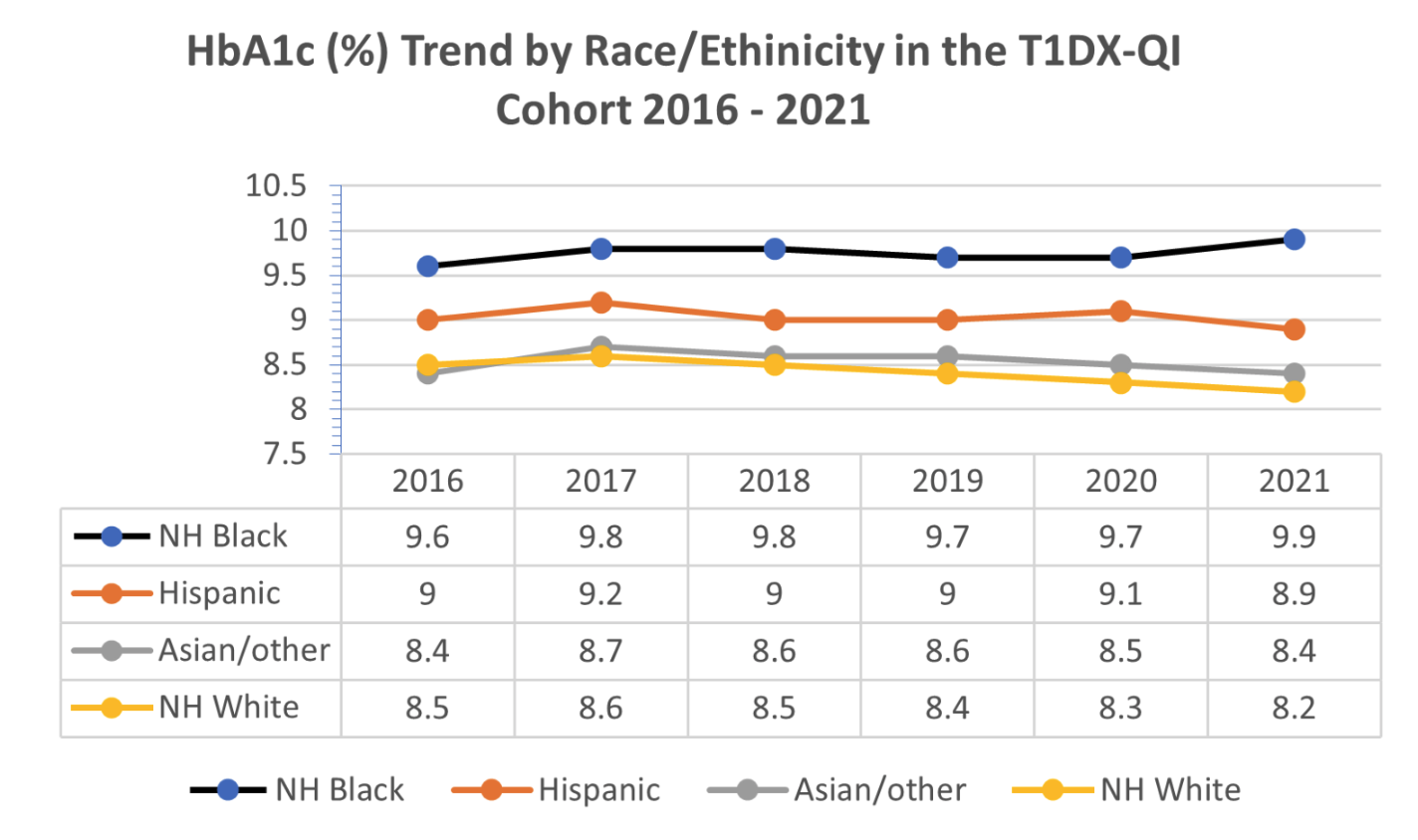
Among 36,390 children and adults with T1D, A1c changes from 2016 to 2021 within different racial and ethnic groups were the following:
The use of insulin pumps and CGMs increased significantly among all groups over the six years.
Read the full article: https://doi.org/10.2337/db22-167-OR
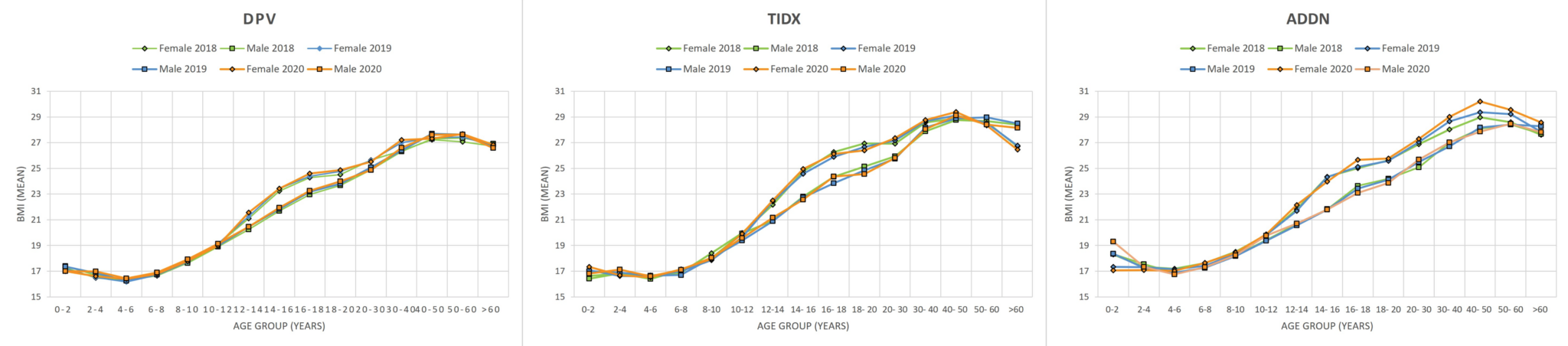
We investigated trends in body mass index (BMI) in three international T1D registries between 2018-2020, including data from the T1D Exchange Quality Improvement Collaborative (T1DX-QI) clinics. To see if restrictions on physical activity and changes in eating habits caused by COVID-19 lockdowns impacted BMI, we looked at average BMIs for March through December of each year.
We found that at a population level, mean BMI was not different before and during the pandemic in people with T1D.
Read the full article: https://doi.org/10.2337/db22-269-OR
This oral presentation covers our analysis of T1D Exchange Registry participants to describe the association between automated insulin delivery (AID) usage and A1c, instances of diabetes-related ketoacidosis (DKA) symptoms, and severe hypoglycemia events.
The average A1c was lower in AID users than those using multiple daily injections (MDI) and pumps without AID. Additionally, severe hypoglycemia events were less common among hybrid closed-loop users than those using an insulin pump with predictive low glucose suspend features and MDI users.
Read the full article: https://doi.org/10.2337/db22-289-OR
We examined relationships between A1c and demographics, socioeconomic status, and health insurance type among adults in the T1D Exchange Registry.
Lower A1c was associated with:
Higher A1c was associated with:
These results suggest that above and beyond other socioeconomic and demographic factors, health insurance type may contribute to small but meaningful differences in A1c.
Read the full article: https://doi.org/10.2337/db22-629-P
This presentation shares some of our work with Vertex Pharmaceuticals, Inc. to analyze CGM data from participants alongside a survey about their experiences with T1D.
Most participants in this study met consensus glycemic targets. However, based on CGM data, participants continued to have significant hypoglycemia, with an average of 1.1 severe hypoglycemia events in the prior year.
Despite improvements in glycemic outcomes such as time in range, time below range, and A1c, many people with T1D still are not achieving clinical targets and are experiencing significant hypoglycemia.
Read the full article: https://doi.org/10.2337/db22-652-P
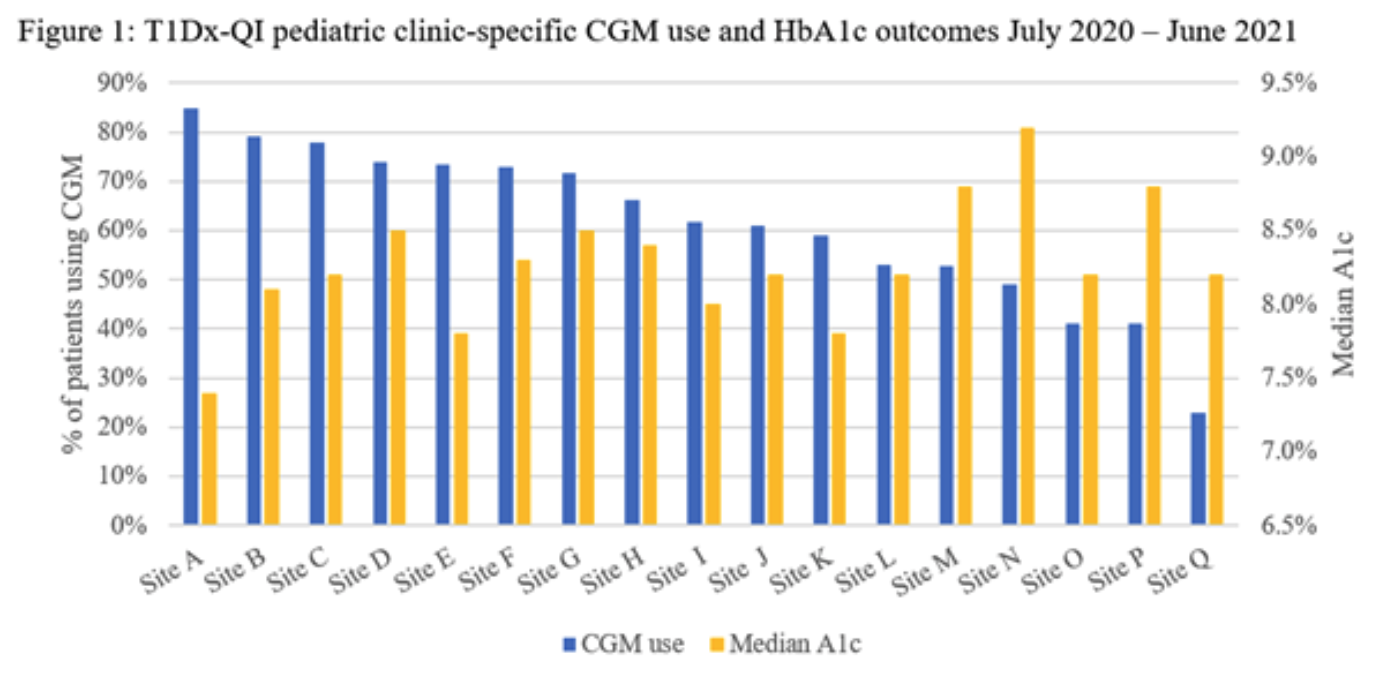
The T1DX-QI benchmarks key clinical metrics to support quality improvement, share best practices, and promote learning across centers. This study benchmarked CGM usage across 17 pediatric clinics in the T1DX-QI.
The data showed wide variability in the percentage of patients using CGMs across T1DX-QI pediatric centers. Across these 17 clinics, the percentage of patients using CGMs ranged from 23% to 85%, with an average rate of CGM use of about 61.3%
Median A1c values ranged across the 17 clinics ranged from 7.4% to 9.2%, and there was no significant correlation between CGM use and median A1c.
Read the full article: https://doi.org/10.2337/db22-674-P
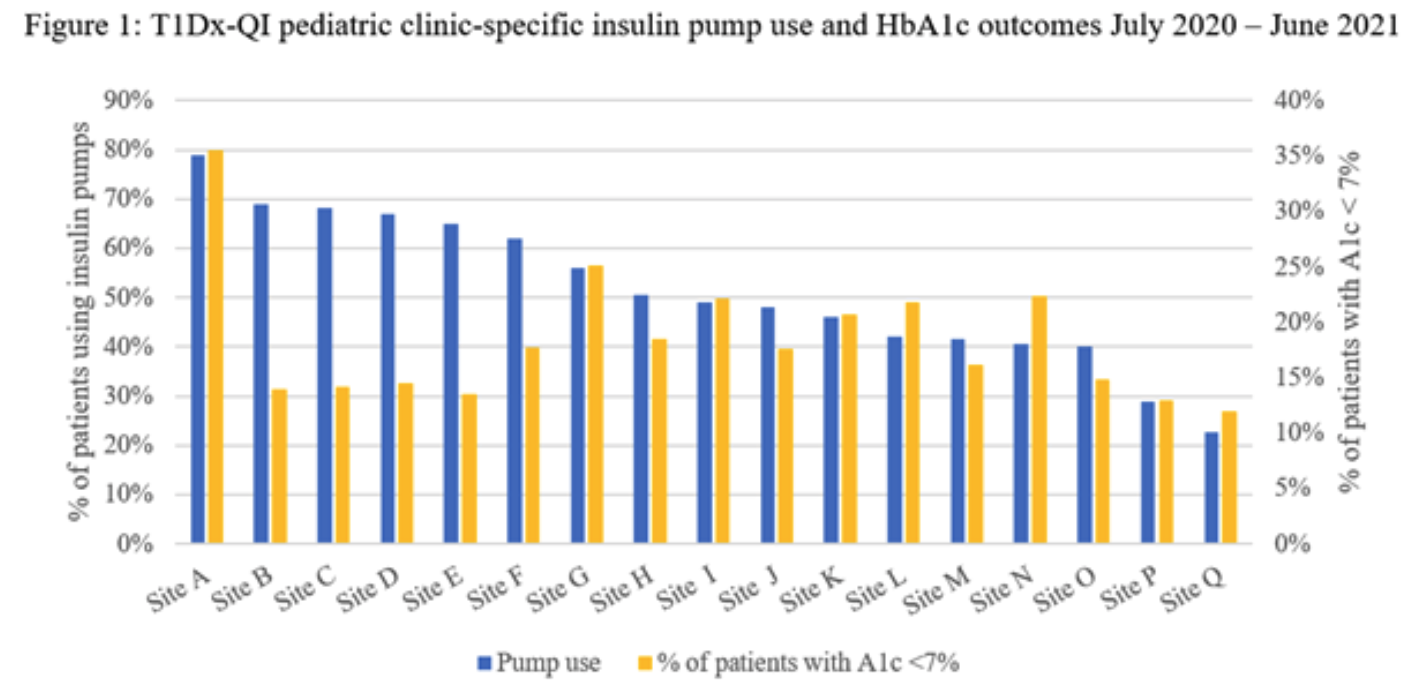
Similar to the above study benchmarking CGM usage in the T1DX-QI, this study benchmarks insulin pump use across pediatric clinics in the T1DX-QI.
Across 17 T1DX-QI clinics, the percentage of patients using pumps ranged from 23% to 79%, with an average of roughly 50%.
Within each clinic, the average percentage of patients with an A1c below 7% ranged from 35% to 12%. There was no significant correlation between pump use and the percentage of patients with an A1c below 7%.
Read the full article: https://doi.org/10.2337/db22-778-P
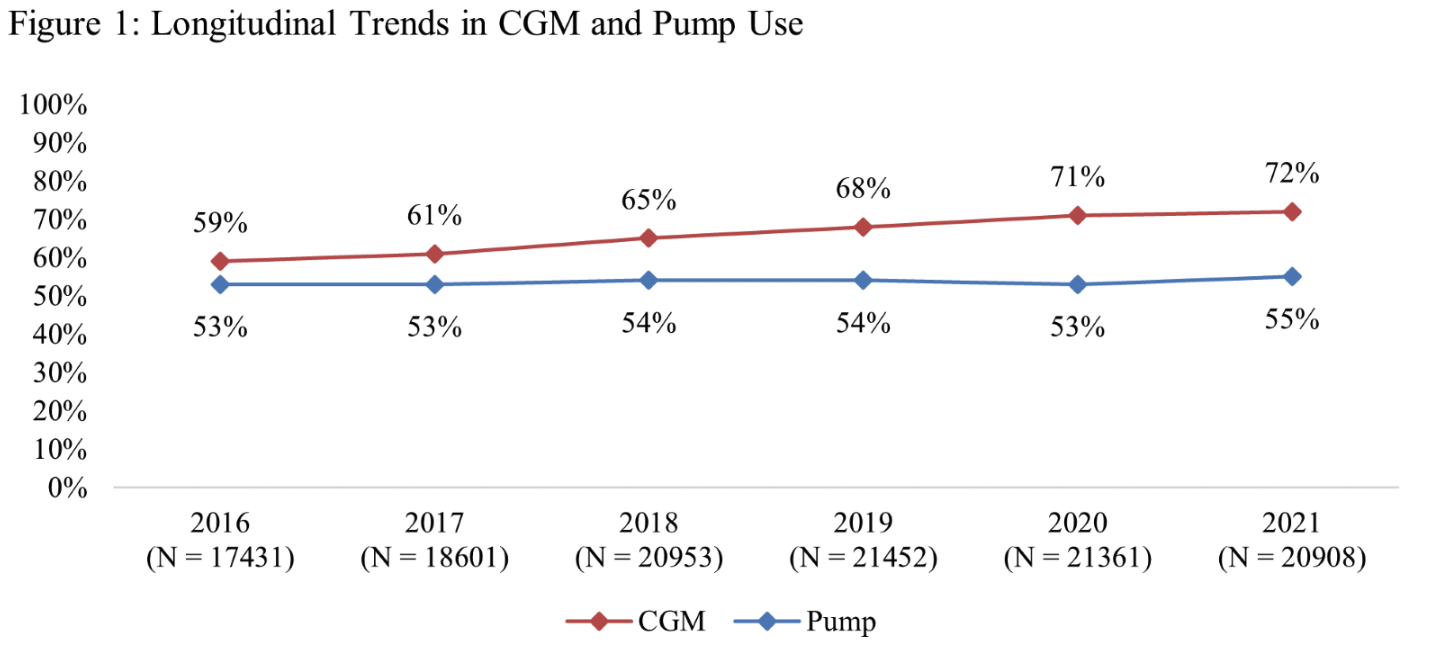
This study examines CGM and insulin pump trends between 2016 and 2021, including overall device use and trends by race-ethnicity.
From 2016 to 2021, the percentage of people using CGMs increased from 59% to 72%. Over the same period, the rate of people using pumps remained stable at 54%.
For both devices, racial disparity persisted. There was a 27% and 31% difference in the percentage of non-Hispanic White and non-Hispanic Black people with T1D using CGMs in 2016 and 2021, respectively. There was a 36% and 37% difference in the percentage of non-Hispanic White and non-Hispanic Black patients using a pump in the same years.
Read the full article: https://doi.org/10.2337/db22-911-P
This study, which examined psychosocial screening among T1DX-QI clinics, showed varying degrees of screening from clinic to clinic.
Overall, 96% of pediatric centers report using at least one screening tool, and 79% report using more than two tools. 43% of adult centers use one or more screening tools. The most common psychosocial screening in both pediatric and adult clinics is depression.
Centers endorsed multiple benefits of standardized psychosocial screening, including increased provider and patient awareness and the opportunity to discuss psychosocial needs together.
Read the full article: https://doi.org/10.2337/db22-938-P
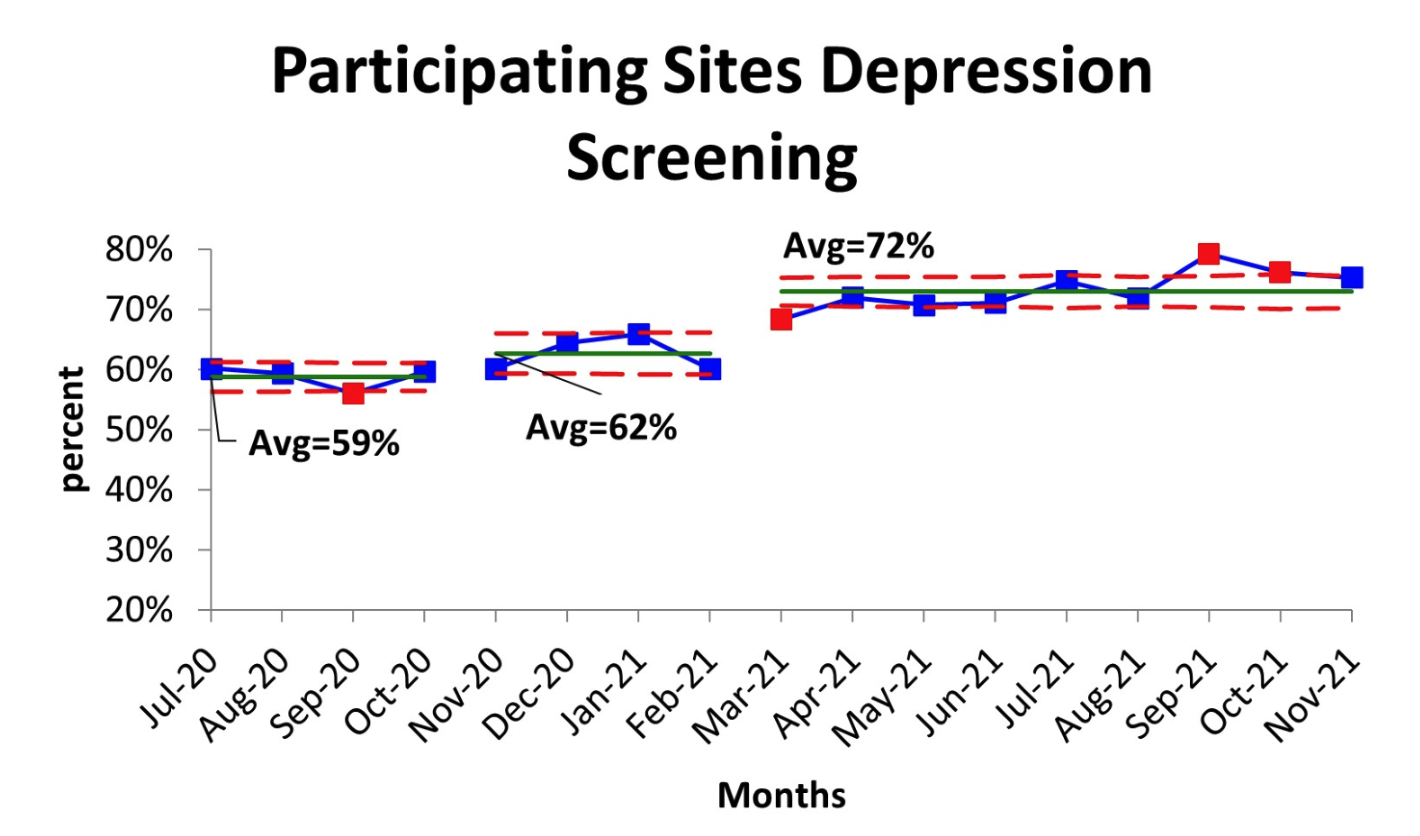
Six T1DX-QI centers tried out interventions to expand depression screening in their clinics. Overall, this group of clinics increased their depression screening rate from 59% to 72% over 19 months.
The interventions tested include:
Read the full article: https://doi.org/10.2337/db22-946-P
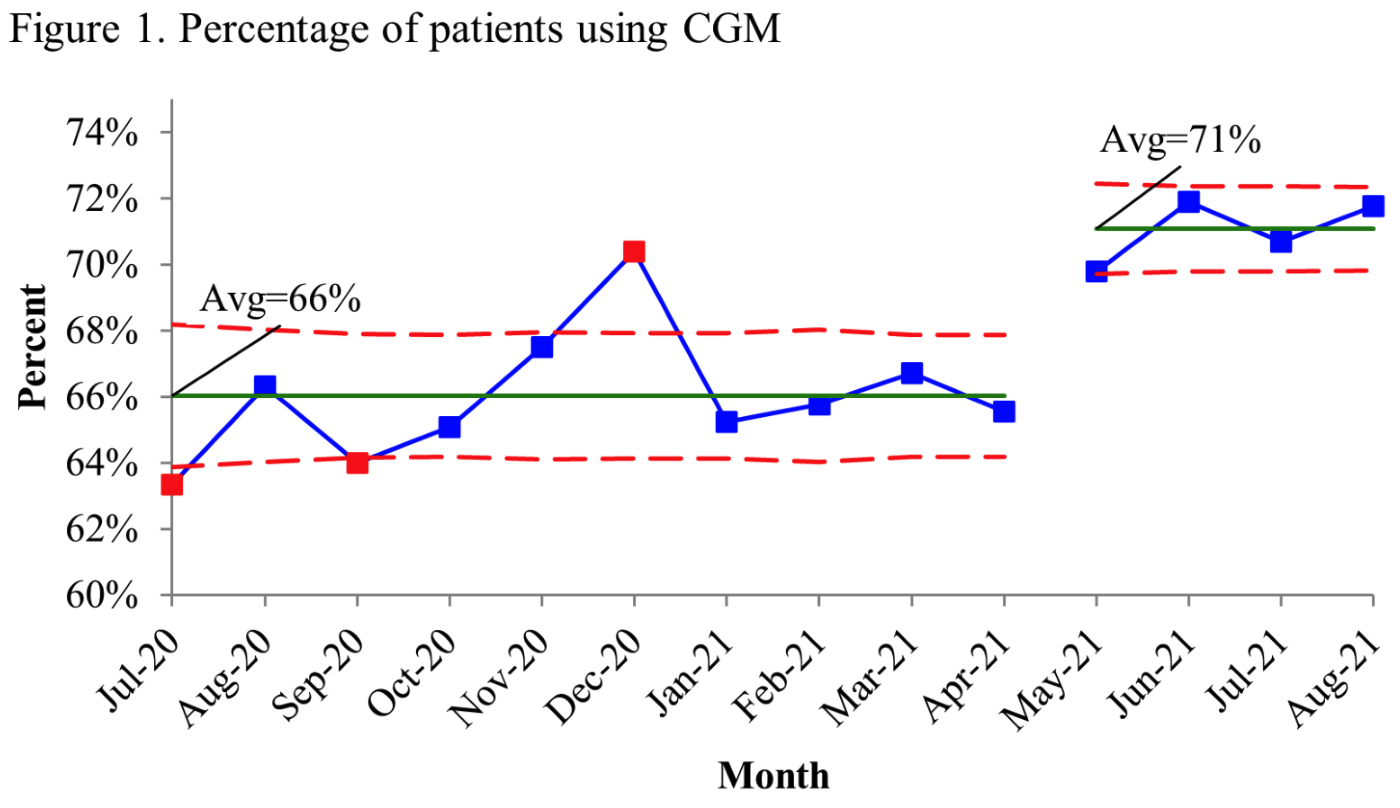
Seven clinics in the T1DX-QI tested out interventions to expand CGM use. All participating clinics successfully improved CGM use, increasing from 66% to 71% over 14 months. Clinic-level improvement ranged from 5% to 18%, with an average of 9%.
Interventions included:
Read the full article: https://doi.org/10.2337/db22-959-P
The primary objective of this study was to examine the association of overweight and obesity with A1c levels for children and adolescents with T1D.
This study found that A1c levels were higher in the “obese” and “severely obese” groups, with an average A1c of 9.1%, compared to the “normal weight”, which had an average A1c of 8.7%.
Read the full article: https://doi.org/10.2337/db22-958-P
Similar to the previous study, we aimed to determine if obesity is associated with increased A1c levels among adults with T1D.
In this study, people in the “obese” group were more likely to have higher A1c levels than people in the “normal” weight group. People within the “obese” group were also less likely to use a CGM or insulin pump.
Read the full article: https://doi.org/10.2337/db22-961-P
The overall rate of telemedicine among all T1DX-QI centers participating in this study was 37.6% in September 2020 and 20.2% in September 2021, which is a 46% decrease in visits over that year. Telemedicine rates varied widely among centers, ranging from 2.9% to 63.6%.
74.2% of centers in this study had a telemedicine workflow, 35.5% had assigned staff, 71% had support for data uploads, and 51.6% had telemedicine goals.
Read the full article: https://doi.org/10.2337/db22-971-P
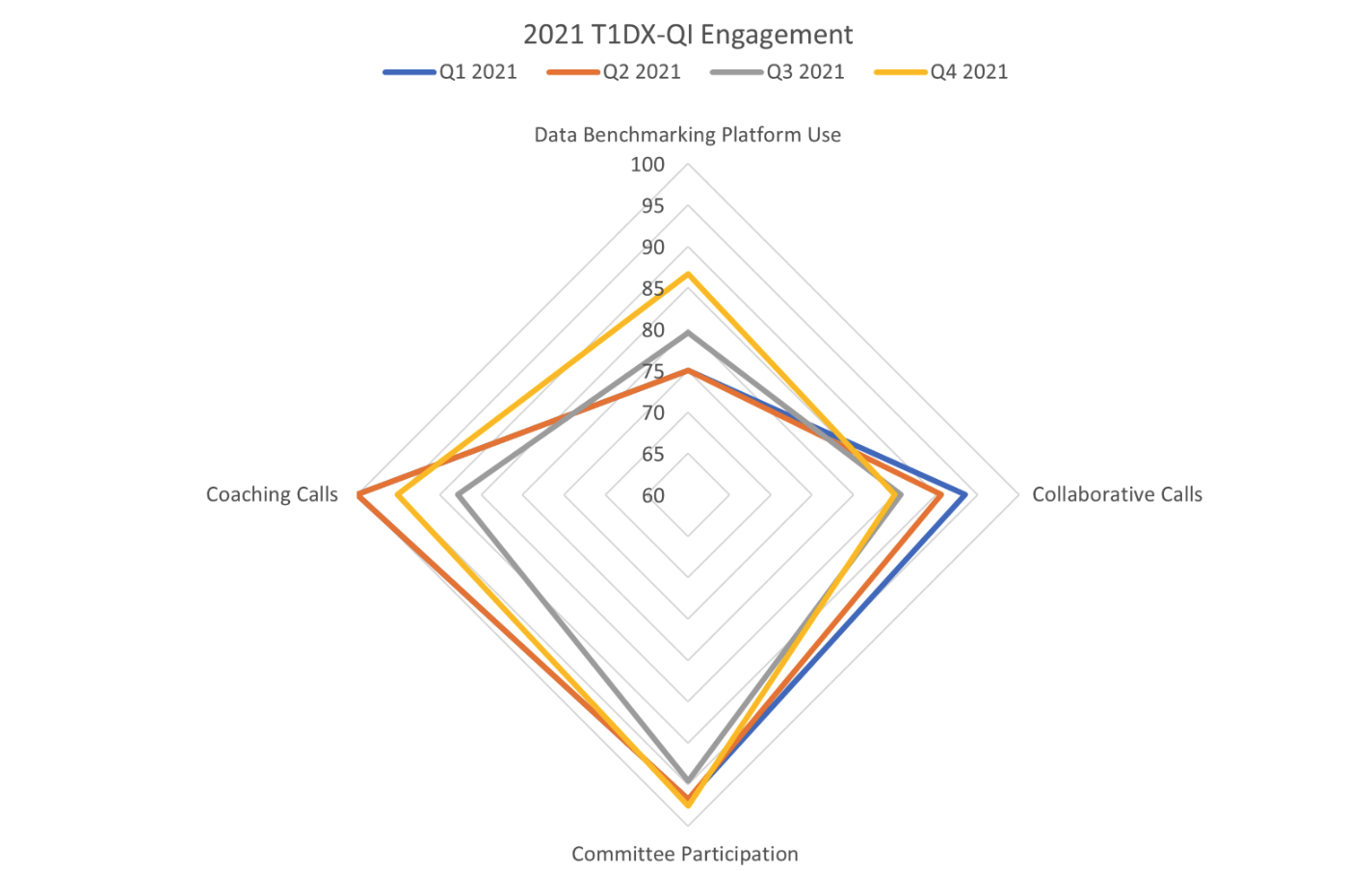
Clinics that are members of the T1DX-QI have numerous opportunities for engagement, including regular calls that allow for the sharing of best practices and progress made in improvement projects among clinics, one-on-one check-ins with a QI coach, the opportunity to join T1DX-QI committees, and access to an electronic medical record (EMR)-based data platform. Clinics can assess and benchmark their EMR data with other clinics.
From January to December 2021, the T1DX-QI tracked usage of the data benchmarking platform, committee participation, and attendance for collaborative and coaching calls. Over the year, T1DX-QI growth and engagement increased across these measures.
Read the full article: https://doi.org/10.2337/db22-976-P
This study examined whether young adults perceive psychosocial benefits from nasal glucagon.
Of 364 young adults included in this survey:
Read the full article: https://doi.org/10.2337/db22-10-LB
Two clinics in the T1DX-QI used population health EMR data reports to increase medication prescribing for statins, ACE inhibitors & ARBs, SGLT2 & GLP-1.
Prescribing rates of SGLT2 and GLP-1 increased by 2%, ACE-I and ARB use increased by 1%, and statin rates remained at 73%.
Clinics found that partnering with pharmacists helped to support patients and standardize the process of prescribing medications. Another priority for clinics was planning care so that their teams consistently identified appropriate medications for diabetes and cardiovascular disease management.
Read the full article: https://doi.org/10.2337/db22-138-LB